9 Top Hotels in Korea Named in Michelin Guide
The Michelin Guide, known for evaluating world-class hotels, has recognized nine Korean hotels this year. On September 18, the guide announced its '2026 Michelin Key' global selection. The Michelin Key awards hotels based on design, architecture, service, and uniqueness, with ratings from 1 to 3 keys. A hotel with 1 key offers a 'very special stay,' 2 keys provide an 'exceptional stay,' and 3 keys signify an 'extraordinary stay.' This year, eight Korean hotels were honored last year, and now nine have been selected, highlighting the growing recognition of Korean hospitality on the global stage. 💬 Which concept photo is your favorite?

Art and Luxury: Paradise City's ArtParadiso Named Michelin 1 Star Again
Paradise City's ArtParadiso has been named a Michelin 1-star hotel for two consecutive years, offering a unique night of art and luxury. Located in Incheon's Yeongjong Island, ArtParadiso combines the beauty of its art collection with exceptional hospitality. This boutique hotel provides guests with a memorable experience, blending fine dining, stunning artworks, and comfortable accommodations. The hotel's commitment to excellence has earned it recognition from the Michelin Guide, making it a top choice for travelers seeking a special stay. Whether you're an art enthusiast or simply looking for a luxurious getaway, ArtParadiso offers a blend of culture and comfort that sets it apart. 💬 Which concept photo is your favorite?

Vietnam Launches 30 Medical Tourism Packages
Vietnam is actively promoting its medical tourism industry by developing 30 new packages aimed at international visitors. The country is also working on policies to attract more tourists seeking healthcare services. These packages cover a range of medical procedures and checkup travel options, making Vietnam an attractive destination for those looking to combine treatment with travel. With a focus on practical healthcare logistics and patient comfort, Vietnam aims to establish itself as a leading player in the global medical tourism market. 💬 What medical treatments are you most interested in trying abroad?

Korea Camp Expands with Real Travel Experiences
The Korea Tourism Organization is enhancing its 'Korea Camp' program by incorporating real travel experiences. This initiative aims to provide potential visitors with authentic insights into Korean culture, attractions, and lifestyle through practical travel itineraries. Participants can now explore various regions of Korea, from bustling cities to serene countryside areas, offering a more immersive and personalized travel experience. The program includes guided tours, cultural activities, and local cuisine tastings, ensuring a comprehensive understanding of what Korea has to offer as a travel destination. 💬 Which concept photo is your favorite?
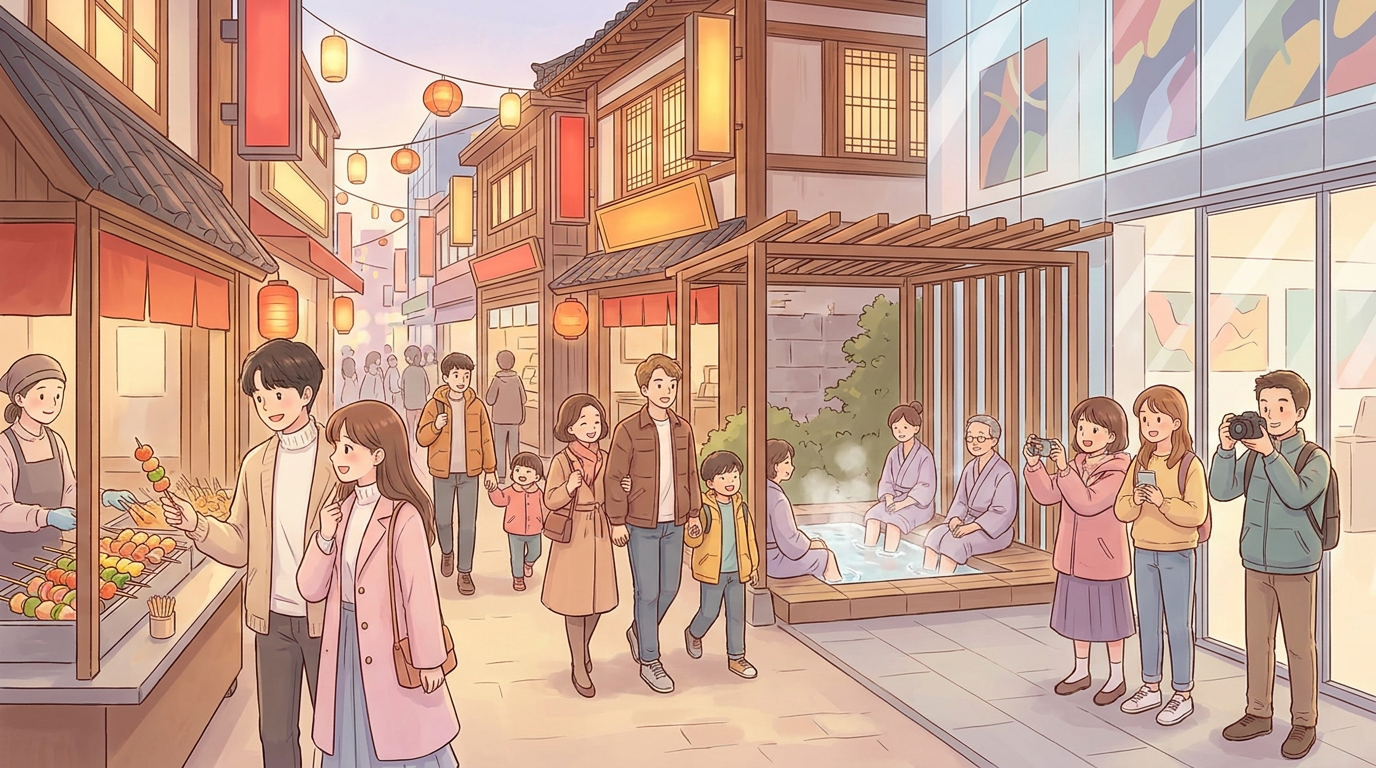
Explore Vietnam's North for Mid-Autumn Holiday
For a family-friendly vacation during the Mid-Autumn holiday, consider exploring the northern regions of Vietnam, specifically Hanoi and Sa Pa. Hanoi, a city where history meets daily life, offers attractions like Hoan Kiem Lake, Old Quarter, Temple of Literature, National University, and Imperial Citadel. Sa Pa, known for its mountain villages and scenic landscapes, provides a different charm. The journey from city to mountain village allows for flexible itineraries tailored to each family member’s interests. This diverse travel experience combines historical exploration with natural beauty, making it an ideal choice for a memorable family trip. 💬 Which concept photo is your favorite?
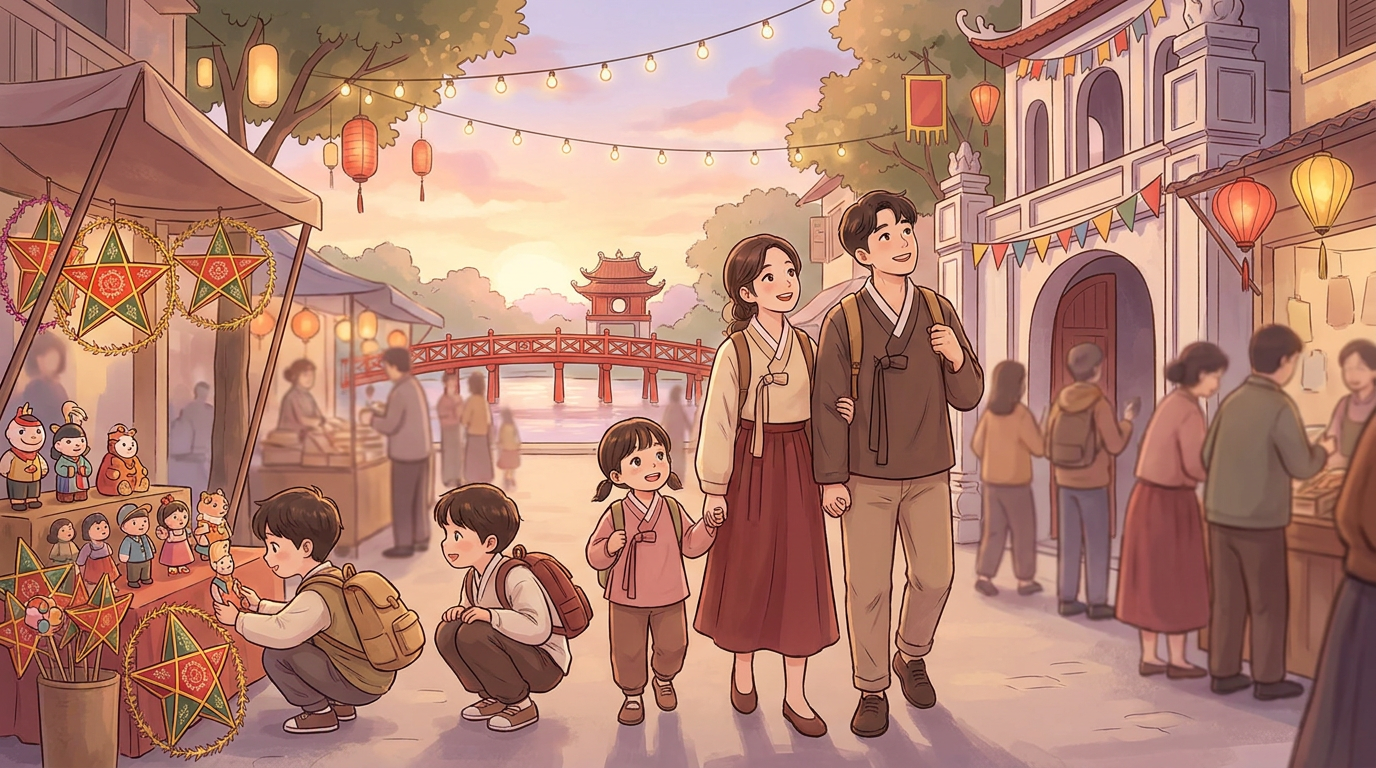
Korea's Top Clinic: Foreign Patients Keep Coming Back
Seoul is experiencing a surge in foreign patients seeking top-tier medical services, particularly at renowned clinics. The trend has been growing steadily, with many patients returning for follow-up treatments or new procedures. This phenomenon highlights the high standards of Korean medical facilities and the trust placed in them by international clients. The success can be attributed to factors such as advanced technology, experienced medical professionals, and comprehensive patient care. As more people discover the benefits of Korean medical tourism, it continues to attract a diverse clientele from around the world. 💬 What makes Korean medical tourism so appealing to international patients?
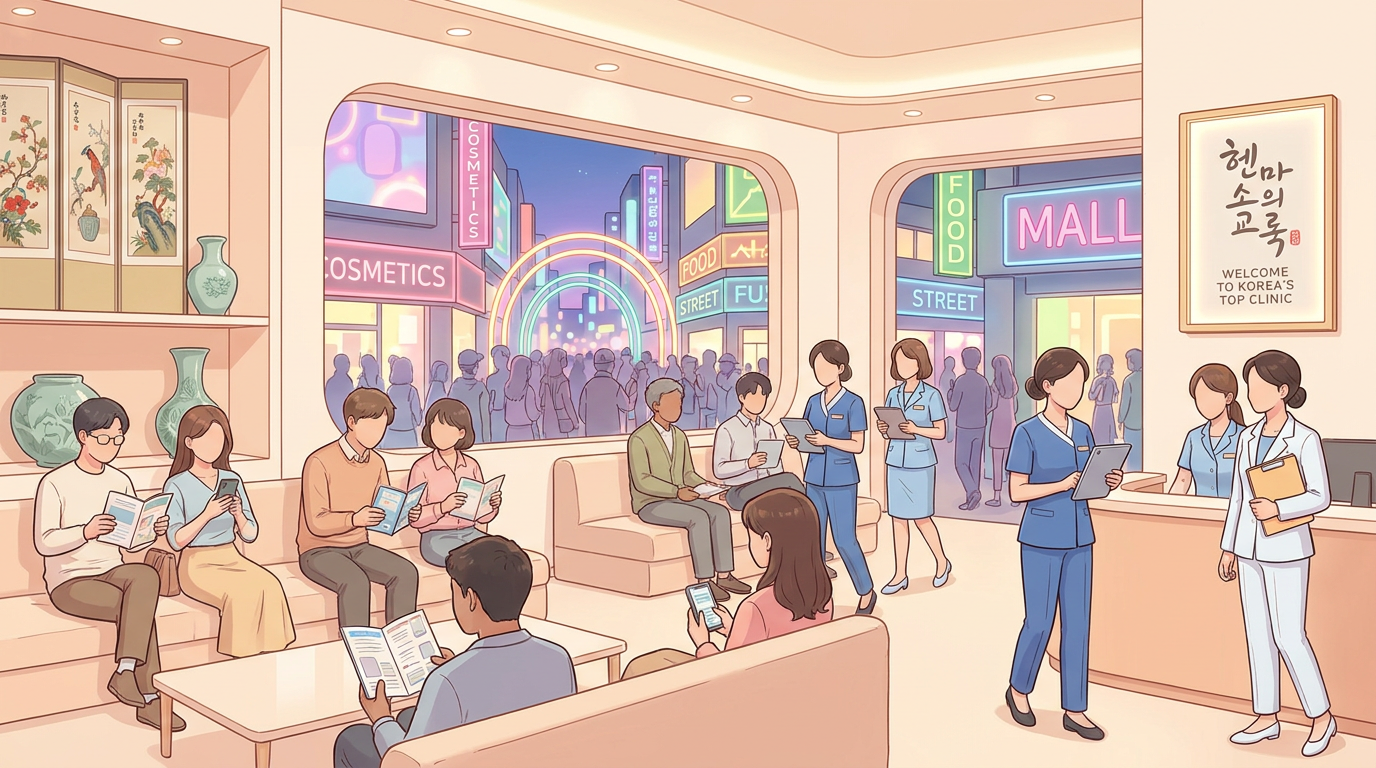
Celebrate Chuseok in Style at Seoul Hotels
This year, if you're looking to avoid the hustle and bustle of family gatherings during Chuseok, consider spending the holiday at a hotel. Three hotels in the Seoul area are offering promotions to make your stay enjoyable. You can start your day with yoga or enjoy a leisurely brunch. For families, there's even an opportunity to watch traditional Korean music performances. AC Hotel By Marriott Gyeongjeong will host free yoga sessions on September 26th, both at 10 AM and 11 AM, weather permitting. These activities provide a relaxing alternative to traditional family celebrations. 💬 Which concept photo is your favorite?
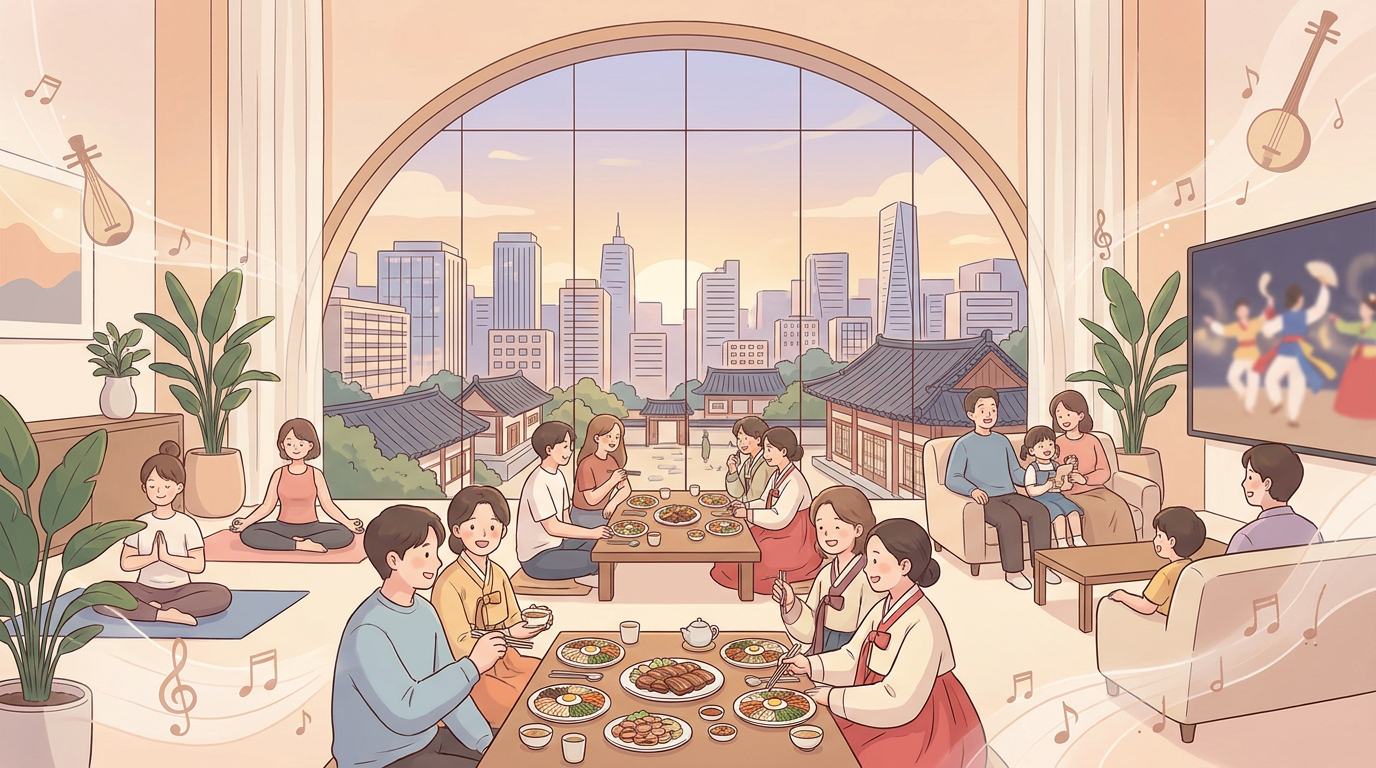
Korea's Fall Festival Becomes a Tourist Attraction
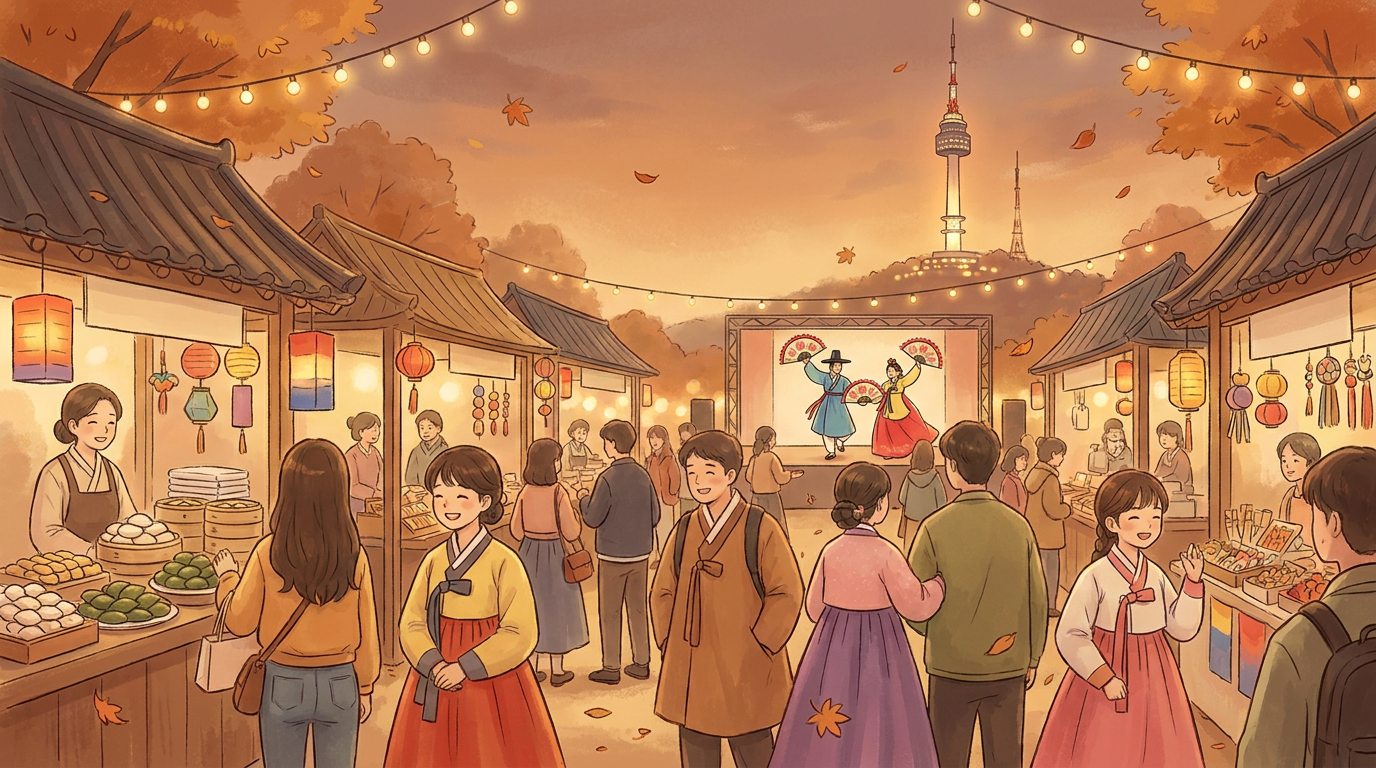
The Korean Tourism Organization has released a travel guide aimed at foreign visitors for the upcoming Chuseok holiday. This traditional Korean harvest festival, celebrated on the 15th day of the eighth lunar month, is now a major tourist attraction. The guide highlights various cultural experiences and scenic locations across Korea, including ancient temples, vibrant markets, and picturesque landscapes. Visitors can explore the rich heritage and traditions of Chuseok, such as ancestral rites, special foods like songpyeon (mooncakes), and traditional games. The guide also provides practical information for travelers, including transportation tips and accommodation options to ensure a smooth and enjoyable visit. Whether you're interested in history, culture, or simply enjoying the beautiful autumn scenery, this guide offers insights into making the most of your Chuseok holiday in Korea. 💬 What are your must-see spots during the Chuseok holiday?
New ASEAN Hall Opens in Gwangju: A Cultural Hub for Asia
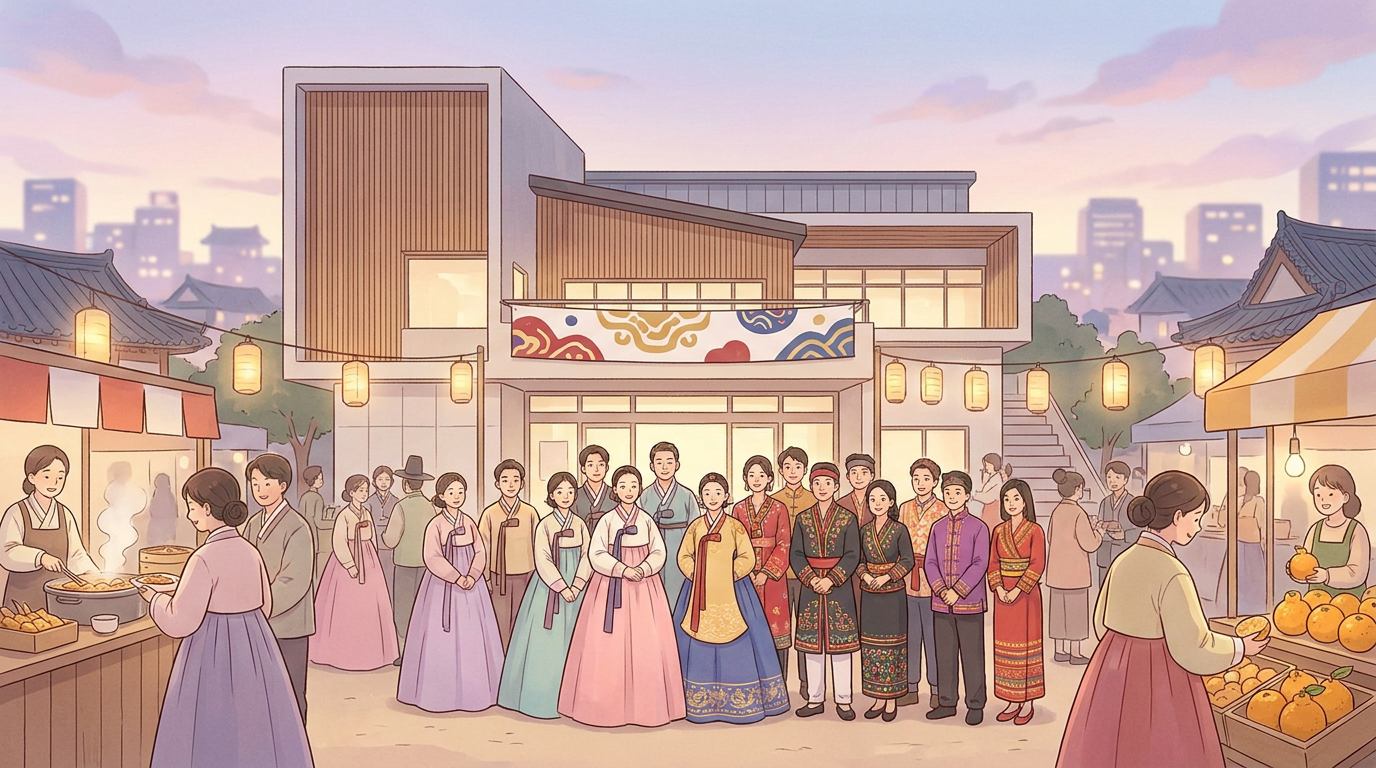
A new cultural space dedicated to the 11 ASEAN countries has opened in Gwangju, South Korea. The 'Gwangju ASEAN Hall' was inaugurated on September 17, 2026, at the Korean Traditional Culture Center in Gwangju. This marks the third such hall in South Korea and the first in the Honam region. The opening ceremony was attended by key figures including Kim Jae-sin, Director-General of the Korea-ASEAN Center, Gwangju Mayor Cho Gi-hoon, and representatives from the embassies of the 11 ASEAN countries in South Korea. The hall is a collaborative effort between the Korea-ASEAN Center, the Gyeonggi Province, and the city of Gwangju, aiming to promote cultural exchange and understanding between South Korea and the ASEAN nations. 💬 What cultural exhibits from ASEAN countries are you most excited to see?
Beware of Camera Phones in Korean Restrooms: Tourists Face New Risks
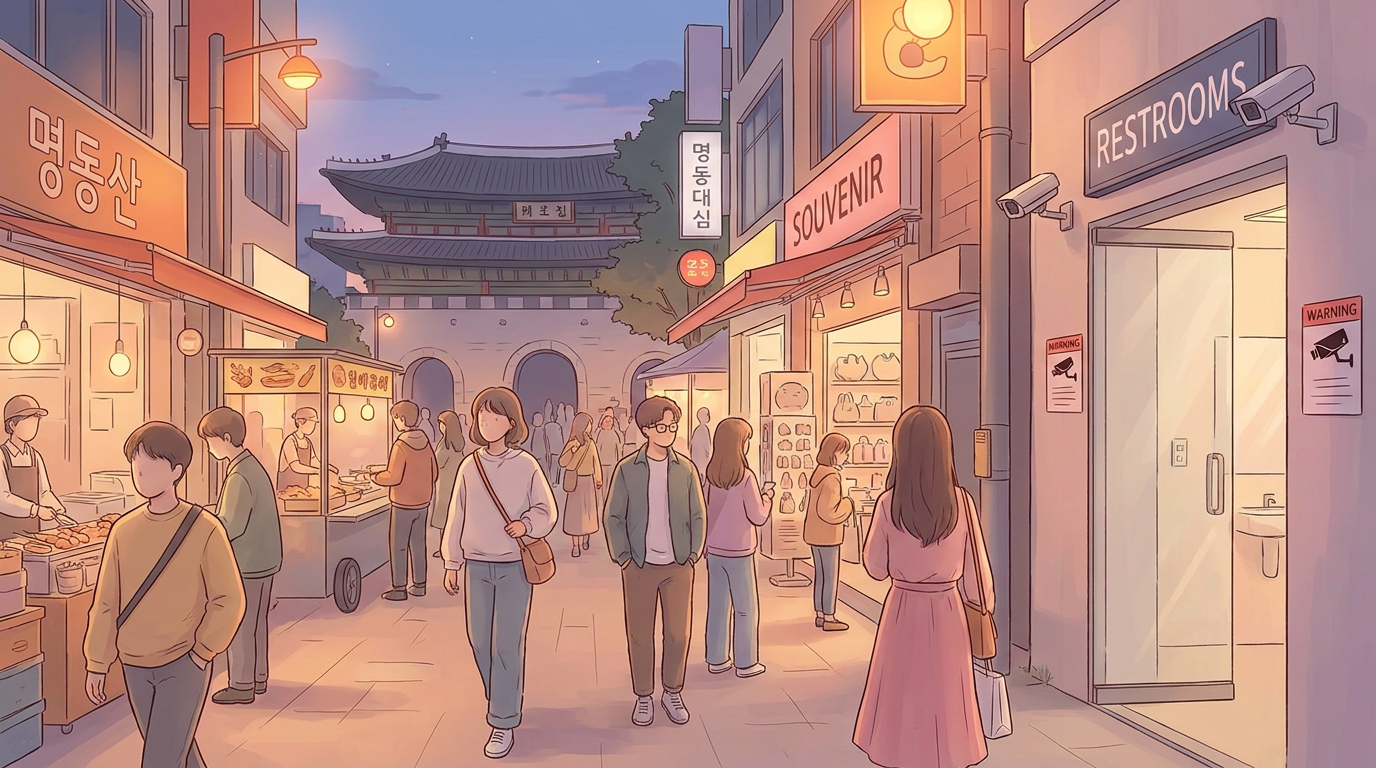
As the number of foreign tourists visiting Korea has increased, concerns over 'mosaic camera' (몰카) incidents in public restrooms have grown. These incidents involve the unauthorized taking and sharing of intimate photos, leading to a rise in safety and privacy issues for both locals and visitors. To address this problem, many establishments are implementing stricter security measures such as surveillance cameras and warning signs. Additionally, awareness campaigns are being launched to educate both tourists and residents about the importance of respecting personal boundaries and the legal consequences of such actions. This issue highlights the need for a balance between tourism growth and maintaining public safety and privacy standards. 💬 What precautions do you take when using public restrooms abroad?
Discover the World's Top 50 Hotels: Will a Korean Hotel Make the Cut?
The prestigious 'The 50 Best Hotels 2026' list was recently unveiled in Paris on September 15th. This ranking, previously known as The World’s 50 Best Hotels, involves over 800 votes from hoteliers, travel journalists, and experienced travelers. Unlike a strict evaluation checklist, the ranking is based on each voter's recent experiences. While it's uncertain if any Korean hotels will make the top 50, this list offers a fascinating glimpse into the world's most luxurious accommodations. Explore the rankings and share your thoughts on which concepts you find most appealing. 💬 Which concept photo is your favorite?

Explore Jeju Island: Must-See Places & Delicious Dishes
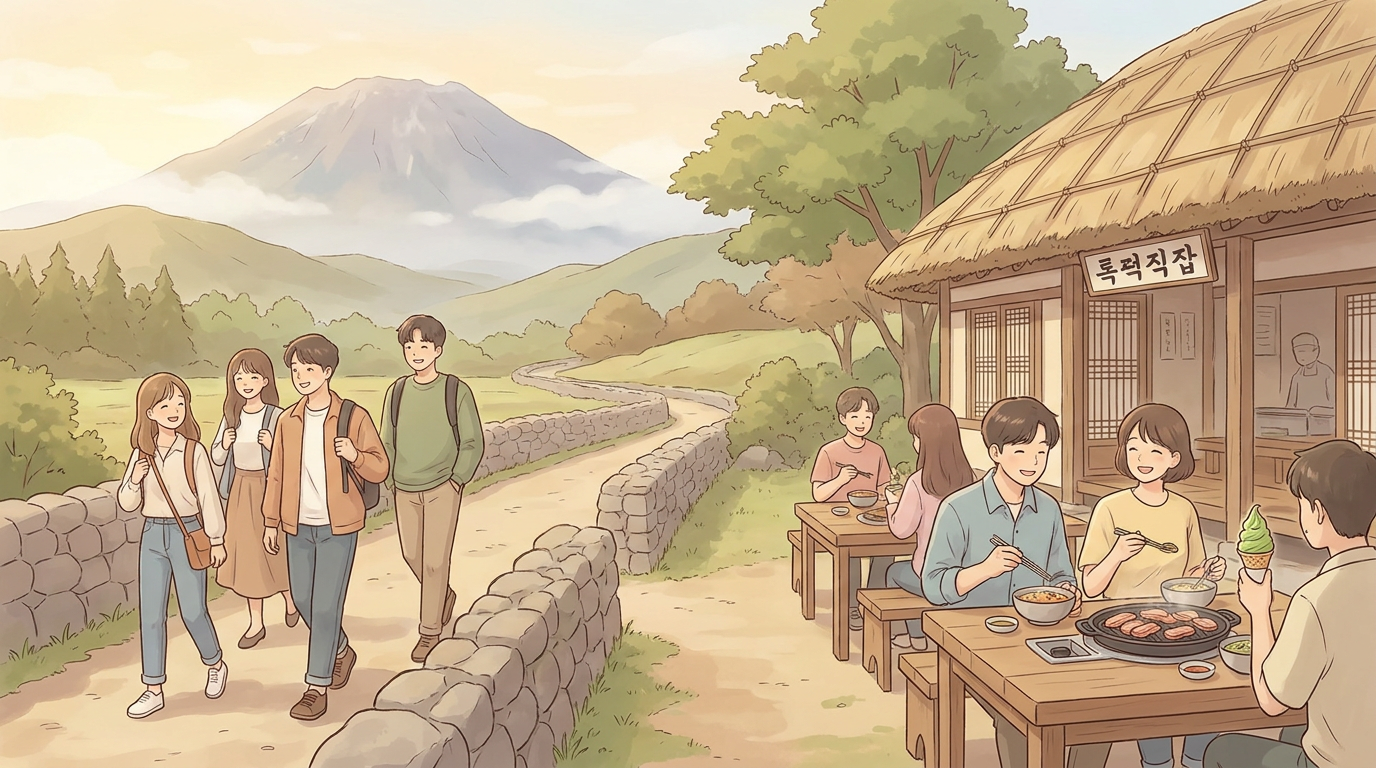
Discover the best of Jeju Island with this travel guide from Funliday. Learn about must-see places, recommended travel routes, and local delicacies. From scenic spots like Hallasan Mountain to charming villages and traditional foods, this guide offers insights into the island's natural beauty and culinary delights. Perfect for planning your next vacation to Jeju! 💬 Which concept photo is your favorite?
Austrian Tourism Delegates Gather in Seoul for Business Talks
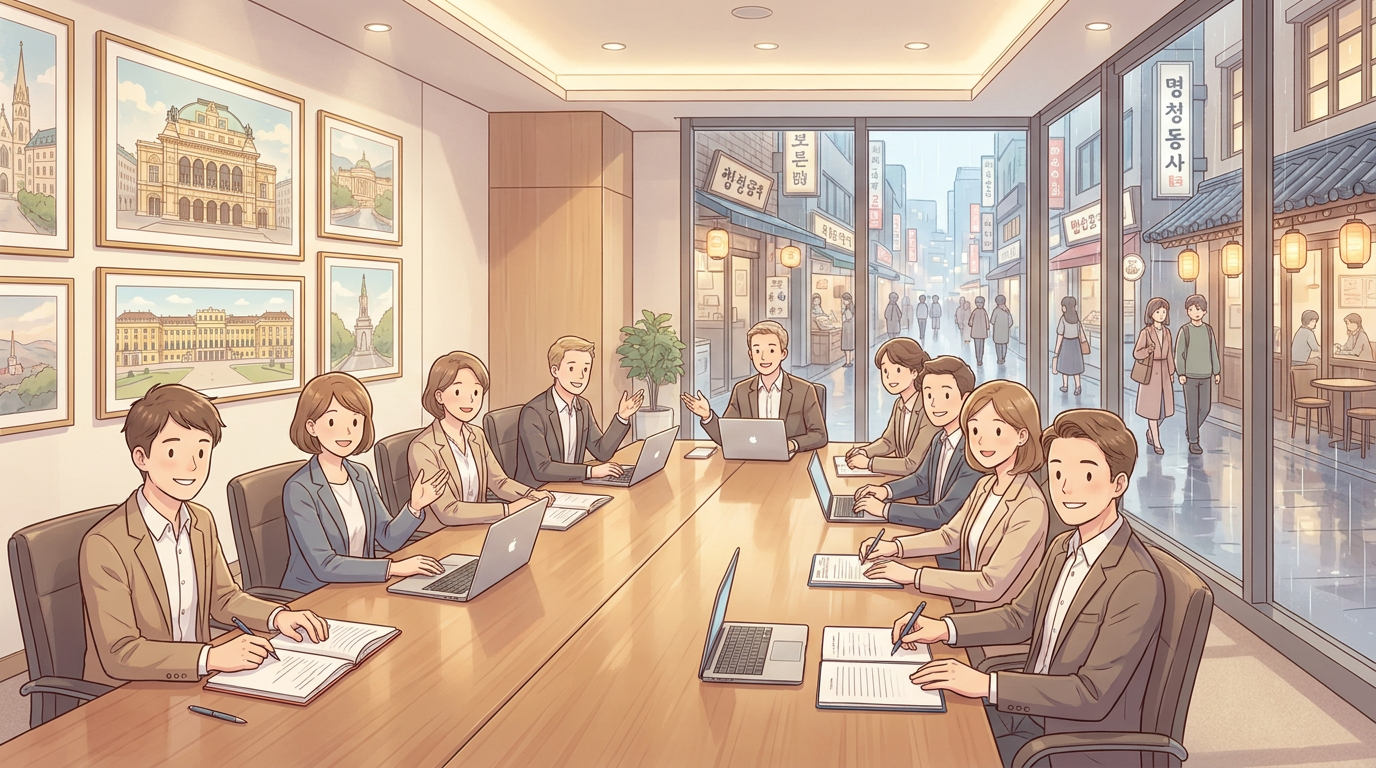
The Austrian Tourism Board expanded its connection with the Korean travel market by hosting a workshop in Seoul. On September 9th, the Austrian Tourism Office organized the 'Austrian Tourism Workshop 2026' at the Westin Chosun Seoul, where 16 local partners including tourist attractions and hotels met with key figures from the Korean travel industry. Turkish Airlines was the sole airline participant. The event featured one-on-one consultations between attendees and partners in an open trade mart format. Kim Jin-ho, the head of the Austrian Tourism Office in Korea, emphasized the importance of this workshop in fostering business relationships. 💬 What Austrian city are you most excited to visit for medical tourism?
Busan Fever: A New Kind of Travel
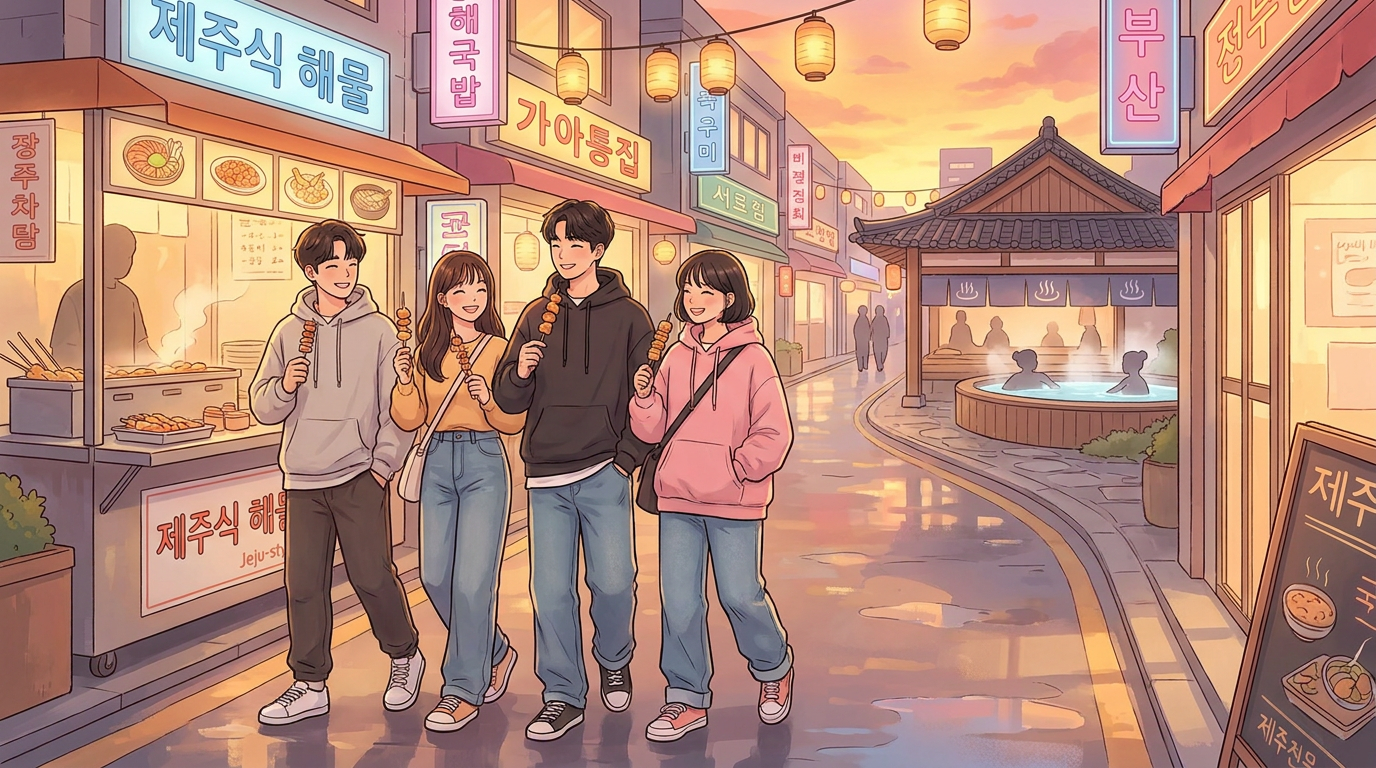
The term 'Busan Fever' has resurfaced, but with a completely different meaning. In the past, it referred to the economic downturn and population outflow in Busan, highlighting structural challenges faced by the city. However, in recent years, 'Busan Fever' has taken on a new life in the tourism market, particularly in China and other parts of Asia. It describes a phenomenon where tourists who visit Busan find themselves craving the city's beaches, food, alleys, and urban scenery so much that they want to return again and again. Essentially, what used to be a problem for Busan has now become an ailment affecting those who have visited the city. This fever is not just a social media trend; it reflects the growing appeal of Busan as a travel destination. 💬 Which concept photo is your favorite?
Hidden Gems in Shanghai's Alleys
Shanghai offers more than just famous tourist spots. Hidden in alleys and among old houses, unique spaces filled with various interests await discovery. From a flower shop in Ferguson Lane (우캉팅) with a Rosa Gallica scent to a small composite space, these places offer a different shopping experience and a taste of the city's character. Explore these five distinct locations for a fresh take on Shanghai's urban life. 💬 Which concept photo is your favorite?

Hotel Stay Becomes Bangkok Adventure at Four Seasons
Hotels are now expanding their scope beyond just a place to sleep, becoming destinations in themselves. The Four Seasons Hotel Bangkok at Chao Phraya River is enhancing its wellness and cultural offerings for the fall and winter of 2026. The program focuses on making a day spent in the hotel feel like a full Bangkok experience. Starting with wellness activities such as yoga, Pilates, and meditation, guests can enjoy a range of activities throughout the day. The hotel's Urban Wellness Center offers recovery stretches, hammock stretches, and singing bowl sessions. Additionally, visitors can immerse themselves in Thai culture, crafts, cuisine, and art. This holistic approach aims to transform a stay into an enriching adventure without leaving the hotel premises. 💬 Which concept photo is your favorite?

From Wine to Salmon, Taste Chile’s Diverse Flavors
Stretching from the endless desert and glaciers to coastal cities and wine regions, Chile offers a diverse landscape that varies significantly from north to south. The capital Santiago and port city Valparaíso, along with the northern Atacama Desert and southern Patagonia, showcase unique natural environments that influence regional cuisines. Chilean cuisine highlights the bounty of the Pacific Ocean, including salmon and seafood, as well as fresh fruits like cherries, blueberries, grapes, apples, and kiwis. The country's rich agricultural produce, particularly its renowned wine, forms a significant part of its culinary heritage, making it a must-try for visitors. 💬 Which concept photo is your favorite?
Top Attractions in Ontario: A Must-Visit Guide
Explore the vast and diverse landscapes of Ontario, Canada, with this curated guide. From the bustling skyscrapers of Toronto to the majestic Niagara Falls, each location offers unique experiences. The Ontario Circle Route, recommended by the Canadian Tourism Commission, provides an efficient way to cover the expansive territory. Covering cities like Ottawa, Kingston, Thessalon, and Toronto, this guide highlights essential sights and activities that shouldn't be missed. Whether you're interested in historical sites, natural wonders, or urban exploration, Ontario has something for every traveler. 💬 Which city in Ontario do you think should be a must-visit for travelers?

Perfect Relaxation by the Blue East Sea This Mid-Autumn Festival
As the national holiday of Chuseok approaches, Ulsan in Gyeongsangbuk-do is becoming a popular destination for families to create special memories. With the hot summer heat cooling down and gentle autumn breezes blowing, Ulsan offers a variety of healing experiences. The stunning blue coastlines of the East Sea, lush golden pine forests, and natural hot springs provide a perfect getaway. The journey begins at Jukbyeon-myeon, where visitors can explore the 'Storm Inside Drama Set,' featuring white Jukbyeon lighthouse, the blue sea, and bamboo forests. This unique landscape evokes nostalgia for older generations while captivating younger ones. 💬 Which concept photo is your favorite?

Foreign Visitors Flocking to Regional Airports, Not Incheon
Incheon International Airport has long been the primary destination for international travelers visiting South Korea. However, a recent trend shows that foreign tourists are increasingly choosing regional airports instead. This shift highlights the growing popularity of lesser-known destinations and the convenience they offer. Travelers are discovering the benefits of these airports, such as shorter travel times and lower costs. The change in travel patterns also reflects the diversification of tourism offerings across South Korea, making it easier for visitors to explore different regions beyond the capital. 💬 Which concept photo is your favorite?