Over 1.5 Million Foreign Patients for Skin and Plastic Surgery - DailyMed
Korea has seen a significant increase in foreign patients seeking skin and plastic surgery, with over 1.5 million visits in a year, according to DailyMed. This trend highlights the growing popularity of medical tourism in the country. The surge can be attributed to the advanced technology, skilled surgeons, and affordable costs compared to other destinations. Many foreigners are drawn to Korea's reputation for high-quality treatments and post-operative care. As the industry continues to grow, it also faces challenges such as ensuring patient safety and maintaining ethical standards. How do you think this trend will evolve in the coming years? 💬 Which concept photo is your favorite?

Korean Medical Tourism Surpasses US, Japan: Where to Seek Treatment?
Korea has become the top destination for medical tourism, surpassing the United States and Japan. With its advanced medical technology and affordable costs, Korea attracts a growing number of international patients seeking various treatments. From cosmetic surgeries to general health check-ups, Korean hospitals offer a wide range of services tailored to meet the needs of travelers. The country's reputation for quality care and patient-friendly environments continues to draw visitors from around the world, making it a preferred choice for those looking to receive medical treatment abroad. 💬 Which concept photo is your favorite?
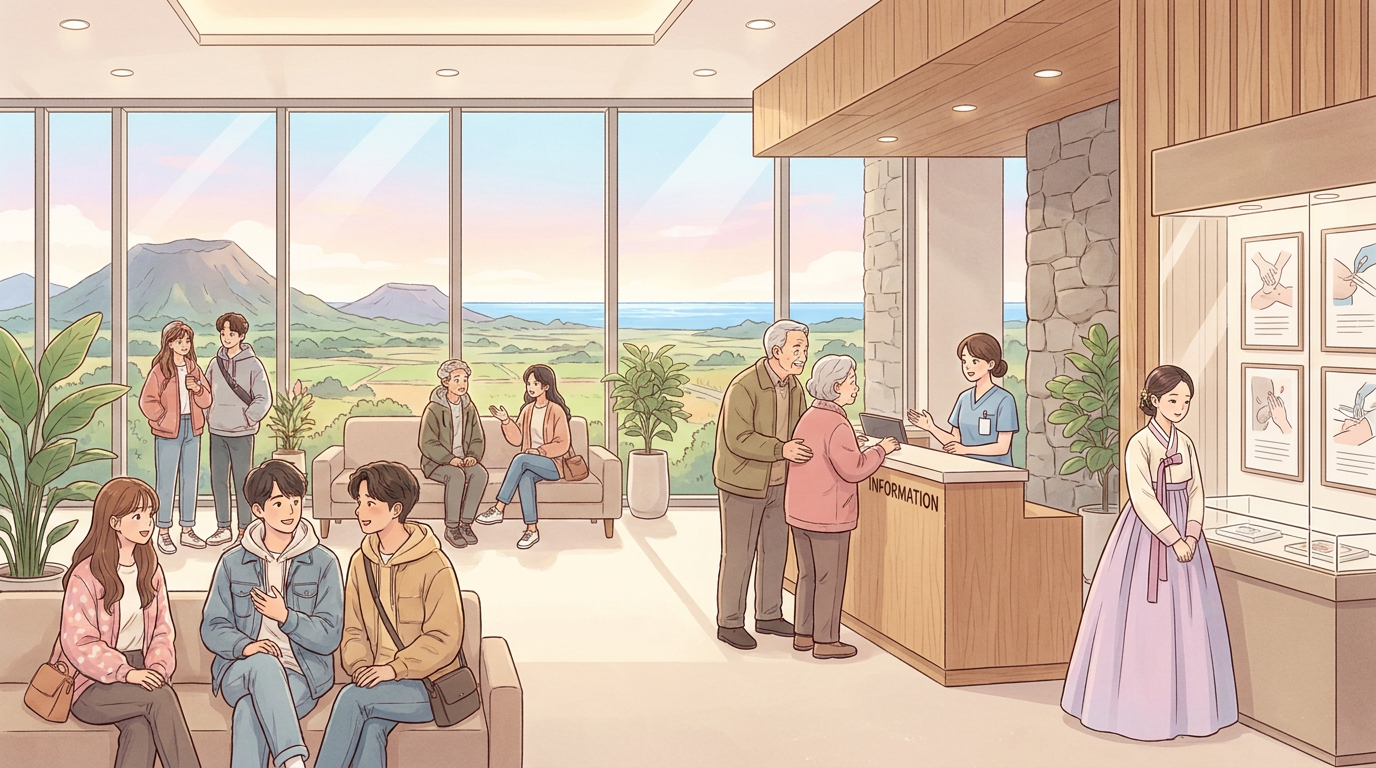
Seoul Welcomes Foreign Patients with Comprehensive Medical Tourism Support
The city of Seoul has launched its first 'Seoul Medical-Friendly Accommodation' program to support foreign patients. This initiative aims to provide comprehensive care from the moment patients arrive until they leave, including accommodation, transportation, and language assistance. The program is designed to make the medical travel experience more convenient and comfortable for international visitors seeking healthcare in Korea. Seoul's efforts reflect a growing trend in medical tourism, where cities and hospitals are increasingly focusing on patient comfort and overall experience to attract more foreign patients. 💬 What amenities would you most appreciate in a medical tourism package?
Foreign Patients Flock to China for Rare Disease Treatments
Chinese medical facilities are attracting foreign patients seeking treatment for incurable diseases. The country's advanced healthcare systems and specialized clinics have become a destination for those exploring alternative medical options. This trend highlights the growing interest in China’s medical tourism industry, offering hope to individuals from around the world who are seeking specialized care not available in their home countries. 💬 Which concept photo is your favorite?
Korean Film 'Possible Love' Wins Venice Film Festival Critics' Week Award
Director Lee Chang-dong's film 'Possible Love' has won the International Critics' Week award at the 83rd Venice Film Festival. This recognition highlights the film's critical acclaim and artistic merit, showcasing Lee's continued influence in world cinema. The movie explores themes of love and human connection, resonating with audiences and critics alike. This award adds to Lee's distinguished career, which includes previous accolades such as the Palme d'Or at Cannes for 'Peppermint Candy'. 💬 Which concept photo is your favorite?
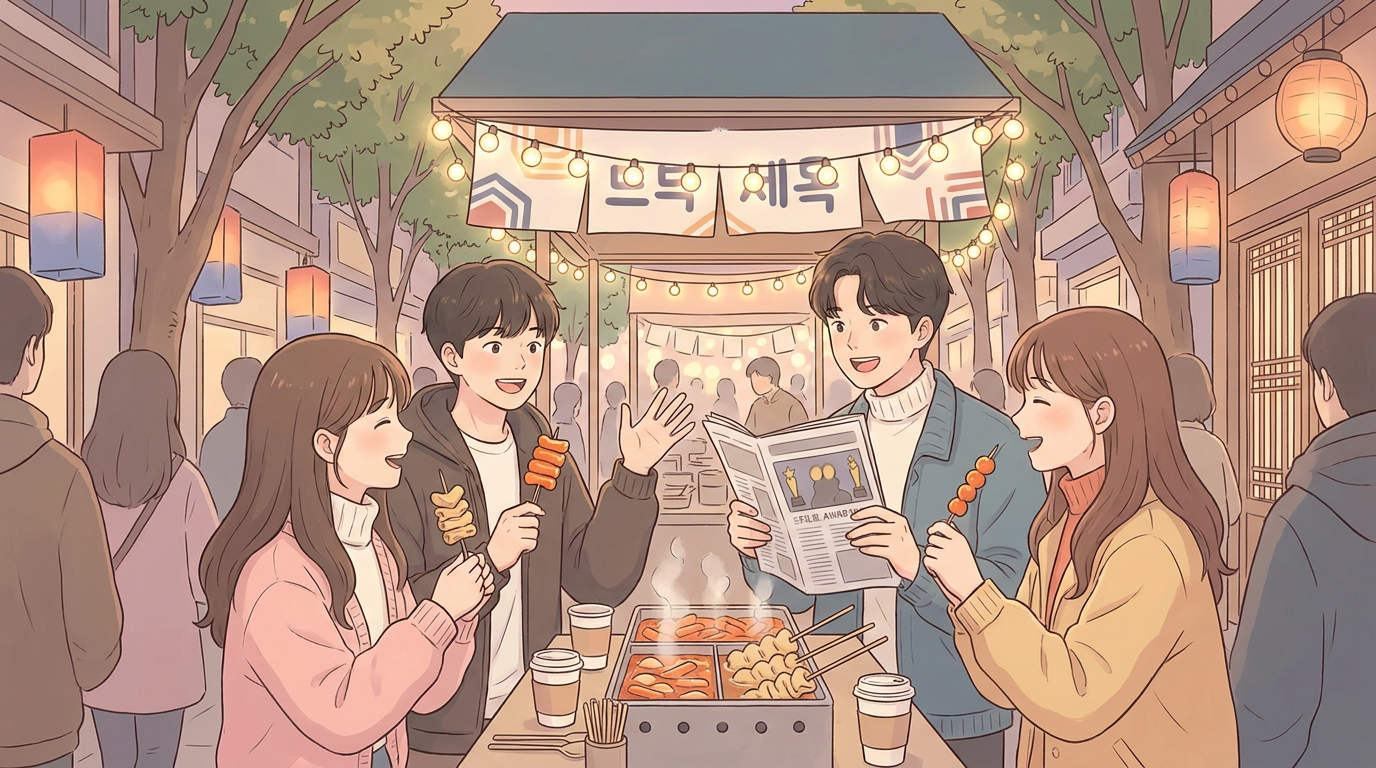
Healing Island Hainan: Stories of Rest and Recovery
Explore the serene beauty of Hainan Island, a haven for those seeking rest and rejuvenation. This article delves into the personal stories of visitors who have found healing and tranquility on this tropical paradise. From serene beaches to lush landscapes, Hainan offers a perfect escape for medical tourists and wellness seekers. Discover the unique experiences and insights shared by those who have visited this island for health checkups and medical treatments. Whether it's the warm hospitality of the locals or the natural beauty that soothes the soul, Hainan provides a memorable and rejuvenating experience for all visitors. 💬 Which concept photo is your favorite?

Korean Beauty Treatments: Foreign Patients Spend 3 Trillion Won
Korea continues to attract foreign patients for its renowned beauty treatments, with a total spending of 3 trillion won by foreign visitors. This trend highlights the country's expertise in dermatological and aesthetic procedures. The popularity of these treatments has led to a booming industry, offering a wide range of services from laser skin resurfacing to non-surgical facelifts. Tourists from around the world are drawn to Korea's advanced medical technology and skilled practitioners, making it a top destination for cosmetic procedures. 💬 What popular beauty treatments are you considering for your next trip to Korea?
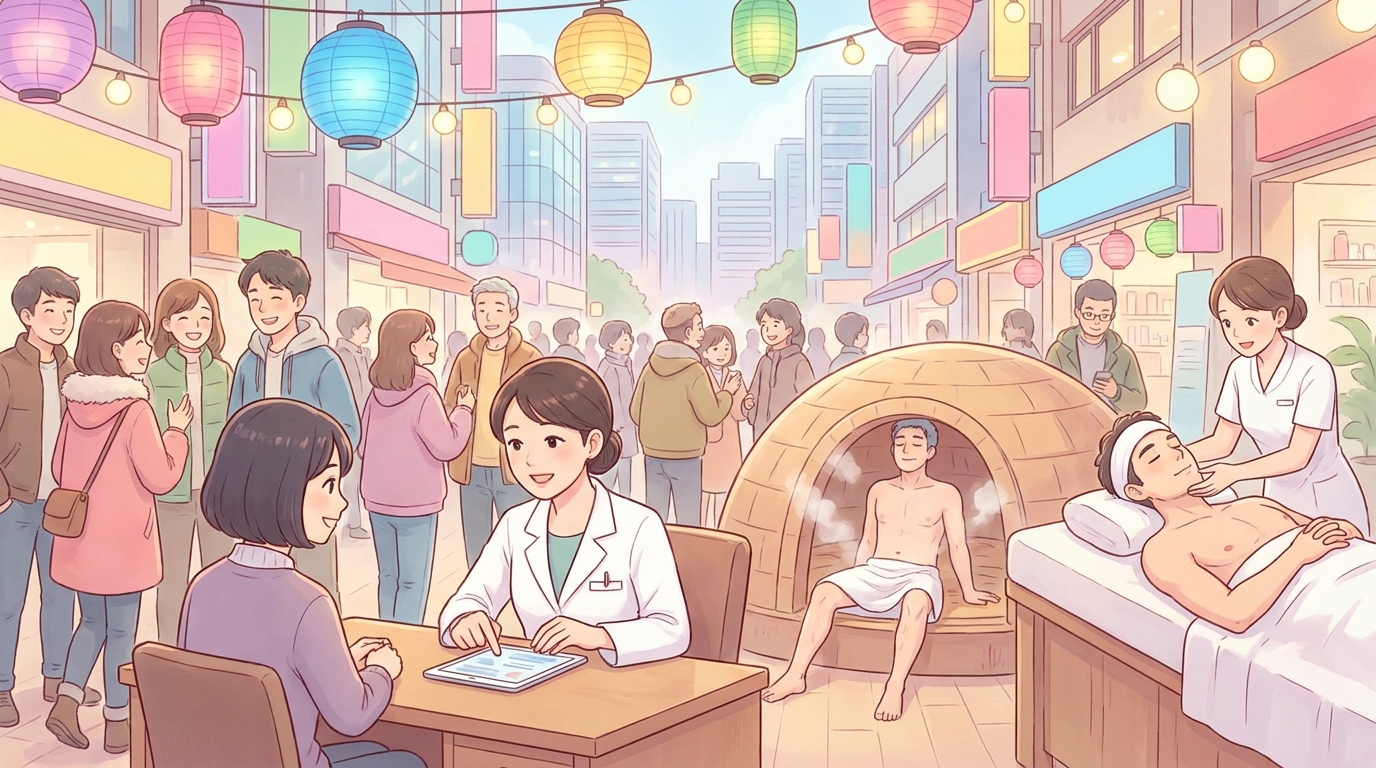
K-Beauty Clinic Breaks 1600 Foreign Patient Mark
The K-beauty clinic '강남언니' has surpassed 1600 foreign patients, marking a significant milestone in its global expansion. This clinic, known for its advanced medical tourism services, has been attracting international clients seeking high-quality cosmetic treatments. With a focus on patient satisfaction and safety, the clinic offers a range of procedures including skin rejuvenation, plastic surgery, and dental care. Its success in the global market highlights the growing interest in Korean medical tourism and the appeal of K-beauty treatments worldwide. 💬 Which concept photo is your favorite?

Haru Film vs. Photoism vs. Life4Cuts — Which Photo Booth Gives You the Best Shot?
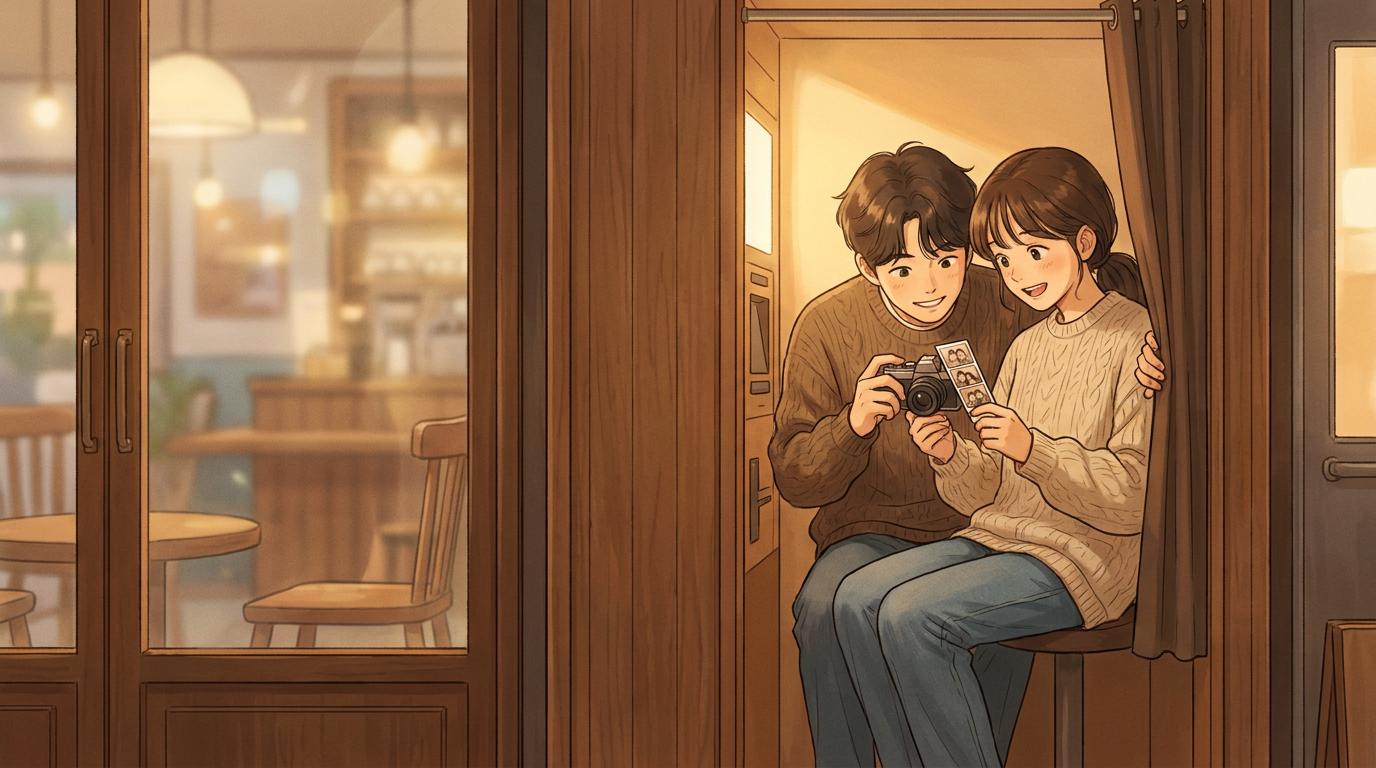
Hey everyone, it's BEBE! If you've been out and about in Korea lately, you know photo booths are basically the new handshake. Whether it's a date night or a hangout with friends, everyone's squeezing into those tiny booths for a strip of memories. But with so many brands out there, which one actually makes you look your best? I dug into the buzz to break it down for you. Let's start with Haru Film (하루필름). This spot got huge for its ID-style photos, but here's the tea — the whole image has a blue tint. It's like magic if you want to look cool-toned, even if you're naturally warm. But if you're a warm-toned person with warm makeup, that makeup might wash out a bit. Also, if you have redness or rosacea, go in with some base makeup because the booth doesn't tone down red well. They use a Canon EOS 200D, by the way. Then there's Life4Cuts (인생네컷), the OG of the four-cut craze. It was the first to do collabs with characters like Choegosim, and that frame is still a fan favorite. But lately, it feels like they're fading a bit compared to the newer brands. Still, there's a classic charm to it. They also seem to use the Canon EOS 200D, but quality can vary by branch. Now, my personal fave — Photoism (포토이즘). This one gives the most natural-looking retouch. You know that moment when you put on a full face of makeup, but the booth lighting eats it all up and you wonder why you even bothered? That doesn't happen here. Photoism keeps your makeup visible and has a warmer tone compared to Haru Film. They also do a ton of idol comeback collabs, so if you're a fan, keep an eye out. And let's not forget the whole experience! One fan in Ikseon-dong said the booths there have tons of props — Christmas hats, MBTI result signs, you name it. They also noted that you can pay with card or cash, which is super convenient. Their tip? Think about your poses and composition before you step in, because the countdown goes fast. You get 8 shots for a 4-cut strip and 10 for a 6-cut, and you pick your favorites at the end. A session runs about 4,000–5,000 won and prints two copies of the strip, so you and your friend each keep one. So, which booth fits your vibe? If you want that cool, almost ethereal look, go Haru Film. If you love classic collabs and don't mind a bit of variation, try Life4Cuts. And if you want your makeup to pop and a natural finish, Photoism is your best bet. Either way, grab some friends, pick a spot, and make some memories! Which photo booth brand is your go-to for the best selfies? Have you tried Haru Film, Life4Cuts, or Photoism? Share your favorite spot and any pose tips you swear by! ——— 🔗 Sources 1) Tistory · jung-guchan https://jung-guchan.tistory.com/64 2) Tistory · newdawn1994 https://newdawn1994.tistory.com/158 3) Tistory · kmyj5670 https://kmyj5670.tistory.com/485
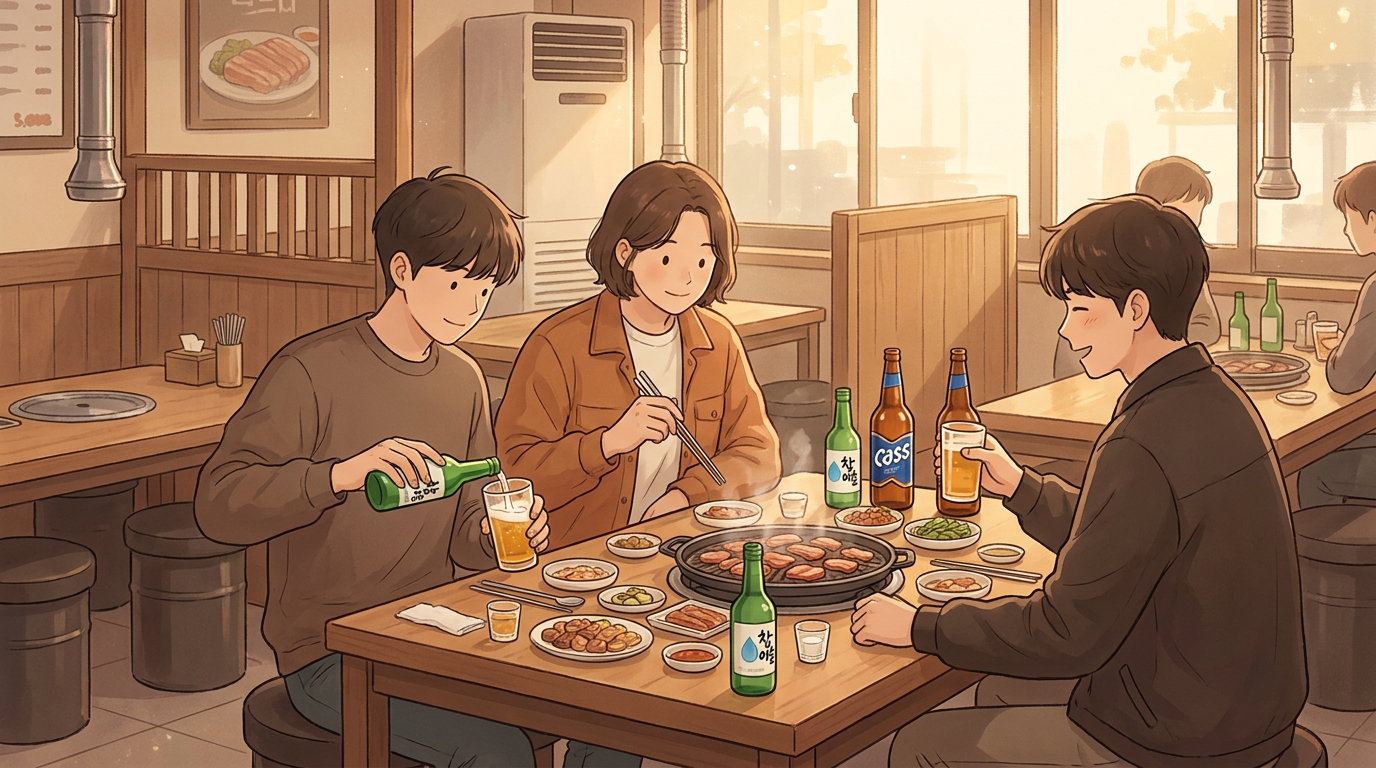
Somaek 101 — Finding Your Perfect Soju-Beer Mix
Hey, Energizers! BEBE here, and tonight we're talking about the drink that literally fuels Korean social life: somaek (soju and beer mixed together). You've seen it at every barbecue, every noraebang session, every late-night corner store hang — but do you know how to make it just right for you? Let's break it down. Somaek isn't just a random pour; it's a science of balance. The most commonly recommended ratio is 1:2 — one part soju to two parts beer. This gives you a clean, smooth sip where the soju's kick is softened by the beer's fizz, but you still feel the warmth. Perfect if you're new to the game or want to last through the night. Want something stronger? Go 1:1. Equal parts soju and beer mean higher alcohol content and a bolder punch — great for when you need to get the party started fast. On the flip side, if you're in for a long, chill evening, try 1:3 (more beer, less soju). It's lighter, easier to drink, and keeps the buzz gentle. One technique matters more than the ratio: pour the soju into the glass first, then add the beer on top — it blends naturally. Give it one gentle stir with a spoon or chopstick (Koreans love the dramatic spoon-slam too), and keep both bottles ice-cold before mixing. Of course, there's no single "golden ratio" — everyone's taste is different. Some people swear by a specific soju-beer brand combo, others just eyeball it. The magic is in finding what works for you. And hey, being the person who nails the perfect somaek at a group dinner? That's a superpower. So, what's your go-to mix? Do you have a secret trick or a favorite brand pairing? Drop your somaek wisdom below! What's your personal somaek ratio — are you team 1:1, 1:2, or something totally different? And do you have a favorite soju and beer brand combo? ——— 🔗 Sources 1) Tistory · shinepeoplemanagement https://shinepeoplemanagement.tistory.com/115 2) Tistory · infor-basket5 https://infor-basket5.tistory.com/550 3) Tistory · moviemaker https://moviemaker.tistory.com/651
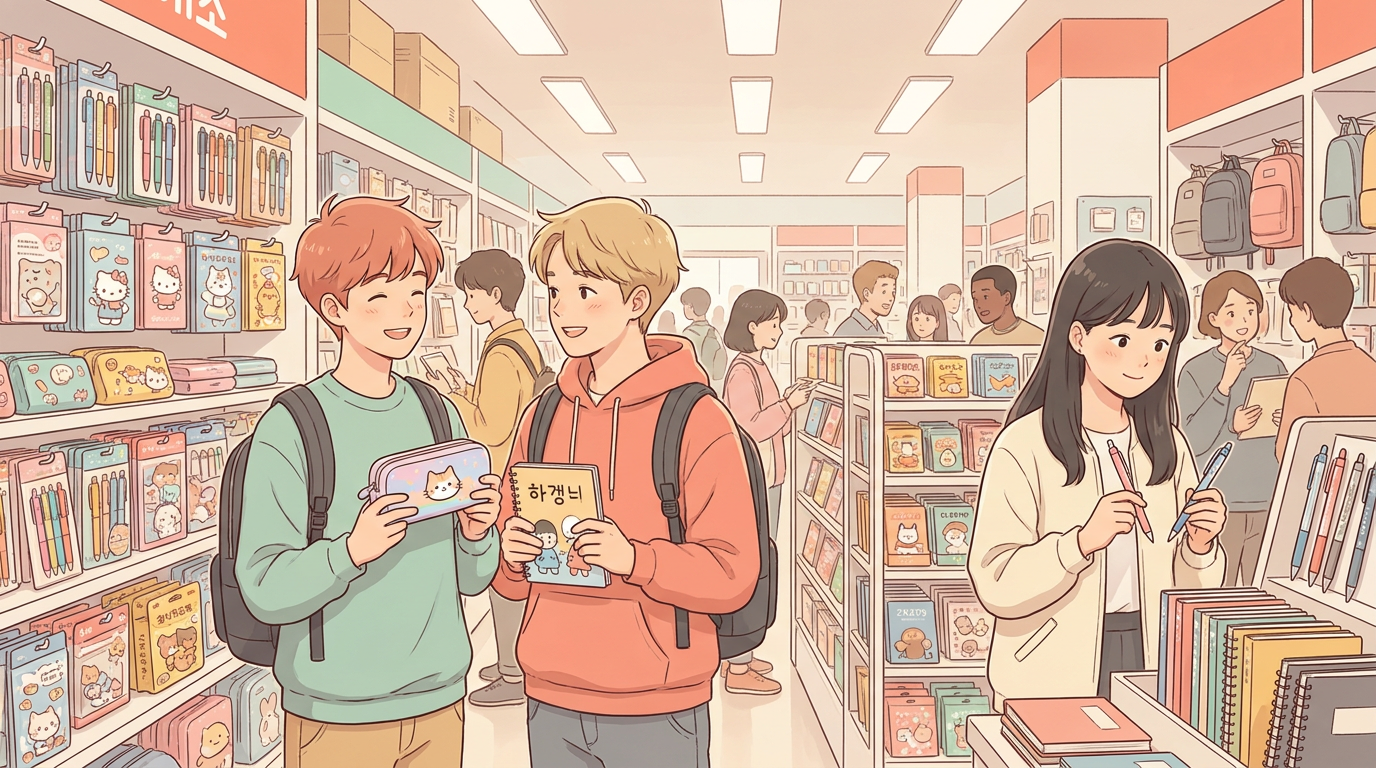
Myeongdong Daiso — The Foreigner-Favorite Treasure Hunt for K-Stationery, Snacks & Travel Hacks
Hey, Energizers! BEBE here, and you know I love a good bargain hunt. Lately, everyone’s talking about one spot that’s become an absolute must-visit for international travelers in Korea: Daiso. And not just any Daiso — the Myeongdong branch has turned into a full-on shopping pilgrimage site. Foreign card payments there shot up 70% in early 2026 compared to last year, and I can see why. It’s like a treasure chest where everything is under 5,000 won and packed with Korean charm. Let’s break down what’s flying off the shelves. First up: stationery. Foreigners call the stationery (문구, mungu) section heaven. You’ll find cute notebooks with Hangeul designs, character pen sets (Mickey & Minnie, anyone?), erasable gel pens, and cat-illustrated pencil cases — all between 1,000 and 3,000 won. Perfect for souvenirs that don’t break the bank. Then there’s the traditional Korean design goods. Daiso has been rolling out items with hanbok, dancheong (traditional multicolored patterns), and najeon (mother-of-pearl) motifs. Think coasters, fans, postcards, and fridge magnets — lightweight and gift-ready. The 2025 traditional series even featured najeon-themed products that tourists love. Now, let’s talk snacks and beauty. Samlip mini honey yakgwa (a sweet fried cookie) and honey butter almonds are being scooped up by the handful. On the K-beauty side, VT PDRN radiance sheet masks are a hot item. People are buying multiples because the price is just too good to pass up. And for the savvy traveler, Daiso has some genius travel hacks under 5,000 won. A foldable auxiliary bag (3,000 won, item 10409391) that collapses to palm size and hooks onto your suitcase — lifesaver when your shopping haul grows. Also a hanging toiletry pouch (3,000 won, item 1040623) with six pockets that you can hang right in the hotel bathroom. No more rummaging through your luggage. So whether you’re hunting for K-culture souvenirs, stocking up on snacks, or just trying to travel lighter, Myeongdong Daiso is your one-stop shop. Have you scored any amazing finds there? What’s your must-buy item at Daiso when you visit Korea? Share your favorite hidden gem below! ——— 📍 Place info Place: 다이소 명동역점 (Daiso Myeongdong Station, 12-floor flagship) Address: 서울 중구 퇴계로 134-1 Map: https://www.google.com/maps/search/?api=1&query=%EB%8B%A4%EC%9D%B4%EC%86%8C%20%EB%AA%85%EB%8F%99%EC%97%AD%EC%A0%90&hl=en MAP_QUERY: 다이소 명동역점 ——— 🔗 Sources 1) Tistory · beauttithy https://beauttithy.tistory.com/139 2) Tistory · gyjeon https://gyjeon.tistory.com/3885 3) Tistory · mudidi https://mudidi.tistory.com/4160
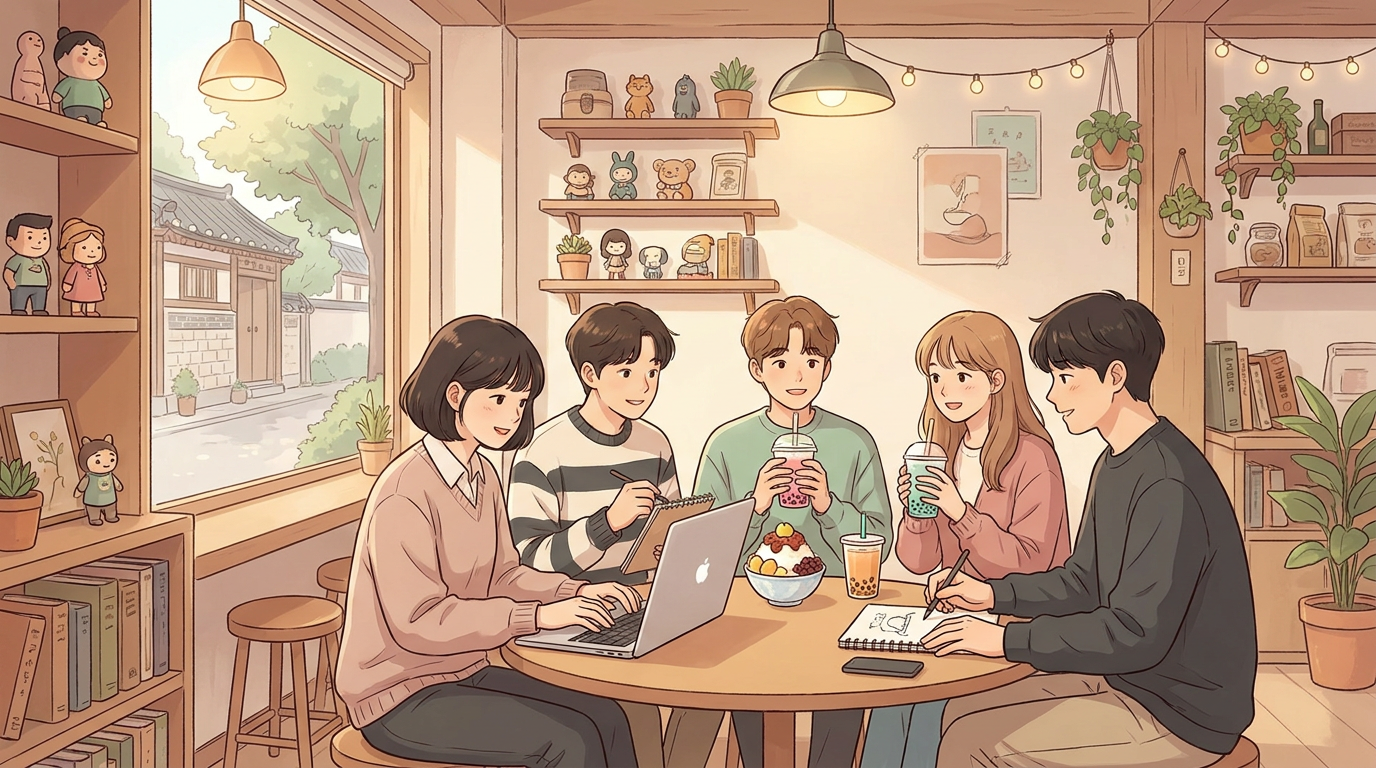
Korea's Cafe Culture Guide — Theme Cafes, Cafe Streets, and Etiquette in 2026
Hey, Energizers! BEBE here, and I'm buzzing to talk about something that's basically the backbone of Korean social life — cafe culture. You've probably heard Korea is a 'coffee republic,' and with over 100,000 cafes nationwide — the highest per capita in the world — it's no exaggeration. Seoul alone has more than 18,000 unique spots, from themed hideaways to sky-view stunners. But here's the thing: Korean cafes aren't just about caffeine. They're about space — a place to hang out, work, or just exist without rush. Let's rewind a bit. Korea's coffee love story started in the 1960s with dabang (traditional tea rooms), where sweet, creamy mix coffee (a blend of instant coffee, creamer, and sugar) was the norm — more about the conversation than the brew. Then came the 1980s and 90s, when mix coffee from brands like Dongseo Foods and vending machine coffee made 'coffee break' a household concept. Fast forward to 1999, when the first Starbucks opened near Ewha Womans University, kickstarting the franchise boom. Coffee became a lifestyle accessory — not just a drink. Now, in 2026, cafes have evolved way beyond coffee. Three big trends are reshaping what you'll find: 1. The Rise of 'Kagongjok' (cafe study crew): Remember when solo laptop warriors were frowned upon? Not anymore. Budget chains like Mega Coffee and Compose are designing spaces that welcome students and remote workers with single seats and outlets. Even Twosome Place is adding solo-friendly zones. The new rule? Stay long, order snacks or extra drinks — it's all good. 2. Decaf Craze: It's no longer just 'the vibe is nice' — people now ask, 'Does this place do good decaf?' Decaf has gone from an afterthought to a serious menu requirement. 3. Menu Diversification: Cafes are serving full meals now — think kimchi fried rice alongside your latte. The boundary between cafe and restaurant is blurring, all to keep you comfortable for hours. So whether you're hunting for a themed cafe in Hongdae, strolling down a cafe street in Busan, or just trying to find a quiet spot to study, the key is simple: pick your vibe, order something tasty, and settle in. Korea's cafe culture is built for lingering. Where's your go-to cafe type in Korea? Are you a themed cafe explorer, a kagongjok warrior, or just here for the decaf? Have you visited any memorable themed or local cafes in Korea? Which trend surprised you most — the 'study crew' culture, the rise of decaf, or cafes serving full meals like kimchi fried rice? Drop your favorite spot or experience below! ——— 🔗 Sources 1) Tistory · visit-korea-guide https://visit-korea-guide.tistory.com/61 2) Tistory · kenny762 https://kenny762.tistory.com/678 3) Tistory · tourholic7 https://tourholic7.tistory.com/92
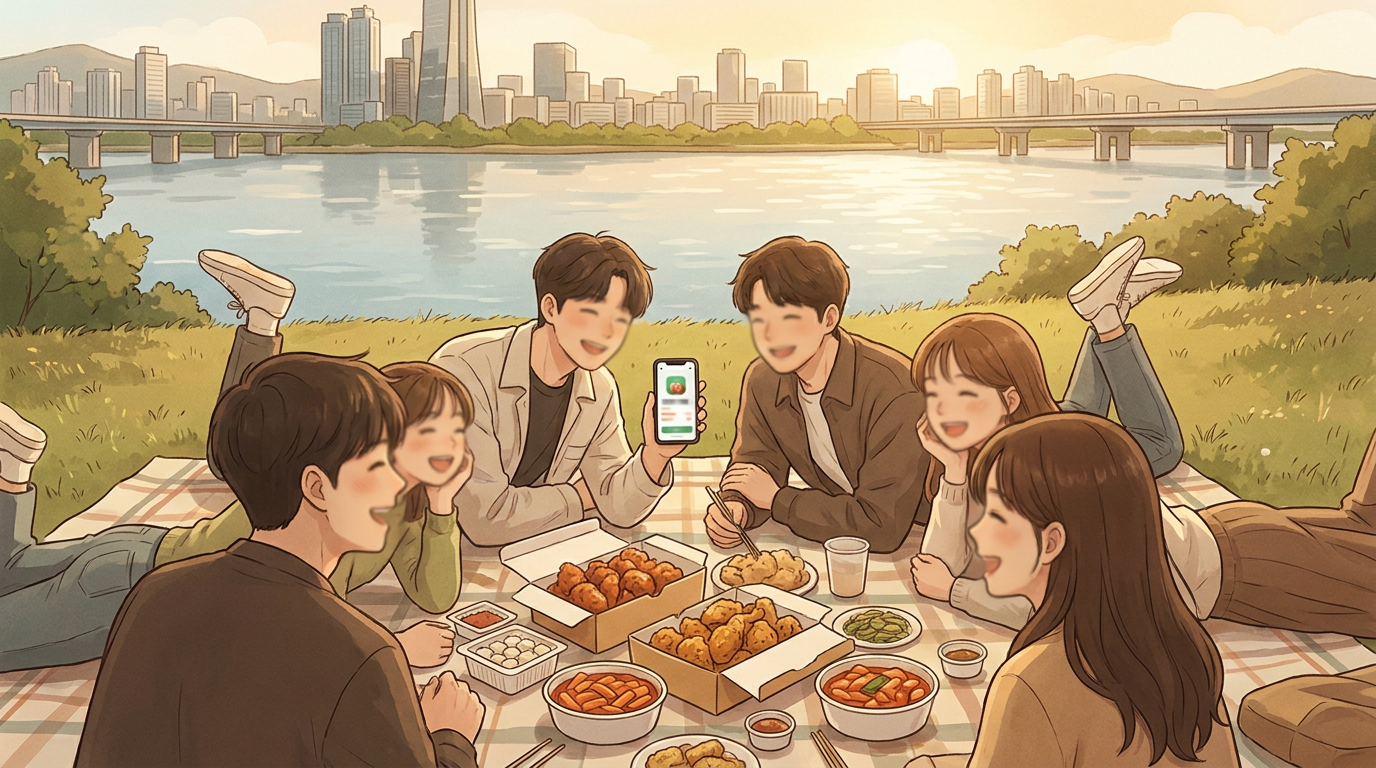
Han River Delivery Made Easy: A Foreigner's Guide to Korean Food Apps
Hey there, Energizers! BEBE here, and I’ve got the scoop on something that’ll level up your Seoul trip: ordering food straight to your picnic blanket. You’ve seen it in K-dramas – friends sprawled on the grass at Han River Park, a feast of fried chicken and tteokbokki (spicy rice cakes) appearing out of nowhere. Well, that magic is real, and it’s getting easier for international fans to join in. Korea’s delivery scene is legendary. Average wait time? 25 to 35 minutes. And yes, delivery drivers will find you at a park, a hiking trail, or even your hotel lobby. The big three apps are Baedal Minjok (배달의민족), Coupang Eats (쿠팡이츠), and Yogiyo (요기요). Baedal Minjok is the most popular, and it just got a major upgrade for visitors. Up until recently, you needed a Korean phone number and a locally issued card to place an order. That was a headache for anyone without a local SIM. But now, thanks to a partnership between Seoul City and Baedal Minjok, you can sign up using just your foreign number and pay with overseas credit cards, Apple Pay, or Chinese mobile wallets like Alipay. No more being locked out of that late-night Korean fried chicken craving. If you’re planning a trip this summer, keep an eye on the 2026 Han River Night Camping event (한강 밤핑) happening at Yeouido and Ttukseom Han River Parks. It’s an overnight program with swimming pools, festivals, concerts, movies – and yes, delivery services running straight to your spot. The city is putting up multilingual signs at the “delivery zones” so you can find your meeting point and order easily. To get started, download Baedal Minjok (or Coupang Eats if you prefer), register with your foreign number, and add your international card. When you’re at the park, just set your location to the delivery zone, browse the endless menu options (from Korean BBQ to pizza), and wait for the rider to show up. Pro tip: use the live tracking so you can time your order with your hangout. One thing to remember: addresses in Korea are written in a road-name format (도로명 주소). For example, “서울특별시 강남구 테헤란로 123.” If you’re at a park, the app will detect your GPS coordinates, so you don’t need to type out a full address. Just drop a pin and you’re good. So, whether you’re camping by the Han or just chilling at your Airbnb, Korean delivery apps are now your best friend. Go ahead, order that kimchi jjigae (kimchi stew) or half-half chicken, and enjoy the view. Have you ever tried ordering delivery in Korea? What’s the one dish you’re dying to have delivered to a picnic spot? Let’s swap tips and dream menus below! ——— 🔗 Sources 1) Wisefullife ( ) https://wisefullife.com/ko/k-food/korean-delivery-apps-2025/ 2) (Money Today) https://www.mt.co.kr/policy/2026/07/29/2026072910281944410
Your Complete Guide to Korean Noraebang in 2026 – Prices, Types & Pro Tips
Hey everyone, it’s BEBE! If you’ve ever watched a K-drama and wondered about those glowing rooms where friends belt out ballads at 2 AM, you’re looking at noraebang (노래방) – literally “singing room.” It’s been a staple of Korean nightlife since the early 1990s, and honestly, it’s the perfect place to let loose without worrying about an audience. Whether you’re traveling or just curious, here’s what you need to know. First off, there are two main types: general noraebang and coin noraebang. General noraebang rents by the hour – think private rooms with couches, a big screen, and a songbook. According to recent info, the average price for a general noraebang runs about 15,000 to 20,000 won per hour. If you want something fancier, premium rooms can go over 25,000 won per hour. Coin noraebang, on the other hand, charges per song – usually 500 to 1,000 won per track. These are smaller, often solo-friendly booths (perfect for honkono – 혼코노, or solo singing) and super popular for a quick stress blast. Now, a few tips from the sources: prices can vary by neighborhood and time of day – late nights and weekends might be pricier. Also, some franchises have their own pricing quirks. If you’re on a budget, coin noraebang is the way to go. And don’t forget to check if the machine has English or other language songs – most newer ones do. One more insider perk: at regular noraebang, staff often add free bonus minutes at the end — Koreans call it 'service' (서비스) — so don't be surprised when your timer magically grows. The best part? You can walk in anytime, grab a mic, and just go. No judgment, just vibes. So whether you’re planning a group outing or a solo session, noraebang is a must-try experience. Have you ever been to one? What’s your go-to song? What’s the first song you’d pick in a Korean noraebang? Drop your karaoke anthem below! ——— 🔗 Sources 1) Tistory · visit-korea-guide https://visit-korea-guide.tistory.com/67 2) Naver Blog · coyage11 https://blog.naver.com/coyage11/221280936938 3) Tistory · dang-09 https://dang-09.tistory.com/88

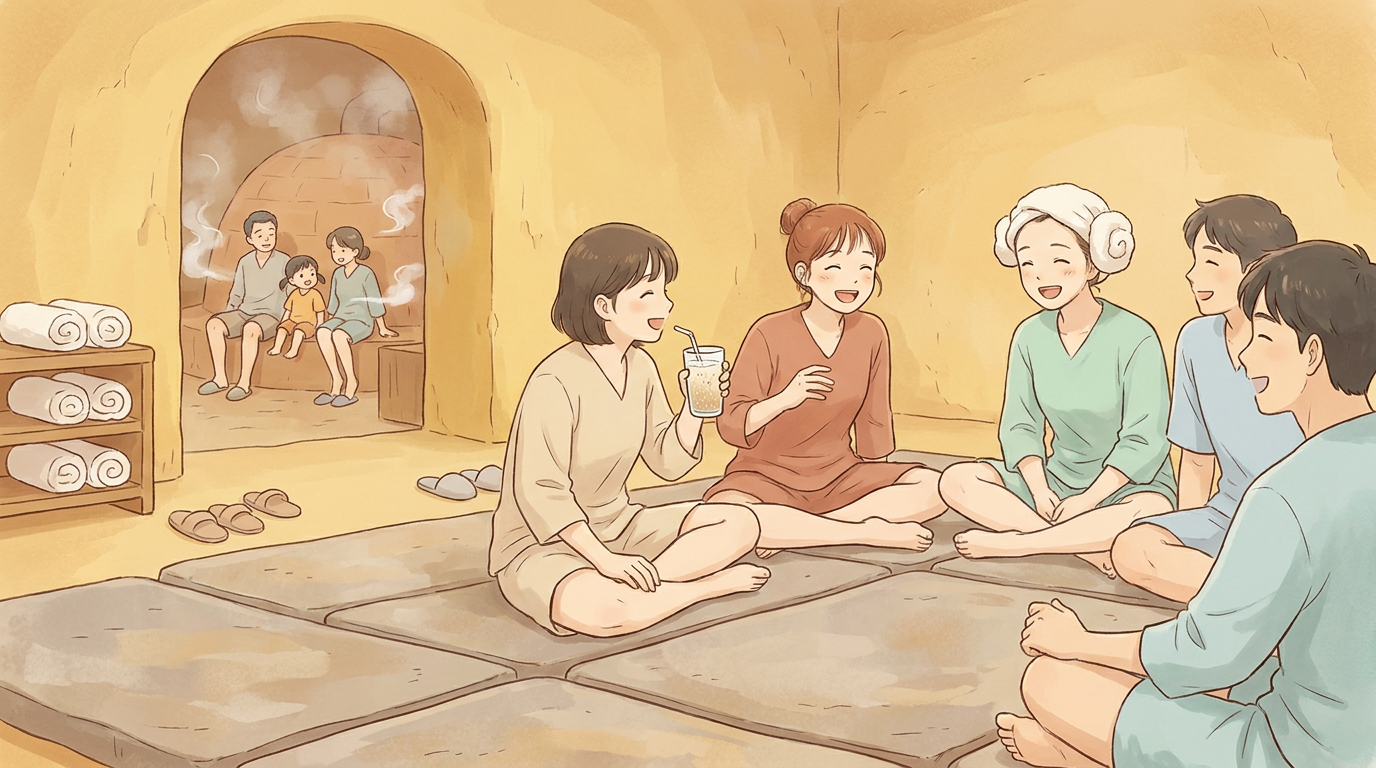
Your First Jjimjilbang Guide — How to Enjoy a Korean Spa Like a Local
Hey, Energizers! BEBE here, and I know some of you have been curious about those glowing, steamy spots you see in your favorite K-dramas. That's right — I'm talking about jjimjilbang (Korean bathhouse spas). Think of them as a 24-hour wellness wonderland: bathhouse + sauna + lounge + snack bar all rolled into one. They've been a huge hit with international fans lately, and honestly? I get it. There's nothing like sweating out the travel fatigue in a warm yellow mud room then grabbing a cold sikhye (sweet rice drink) right after. Let's start with a little history. Jjimjilbang actually goes way back to the Joseon dynasty, when people used hanjeungmak (stone or clay steam rooms) to warm up and unwind. What was once a royal treat is now a beloved public space where anyone — families, friends, couples, even solo travelers — can kick back and recharge. By the late 1990s, these places had evolved into full-on relaxation complexes with sleeping areas, fitness rooms, and even singing rooms. Pretty cool, right? So how do you actually use one? Here's the basic flow: stash your shoes at the entrance, change into your locker room clothes, take a quick shower and soak in the baths, then slip into the comfy jjimjilbang outfit (usually a T-shirt and shorts) and head to the heated rooms. Pro tip: start with the milder hwangto bang (yellow mud room) if you're new, then try the more intense bulgama (charcoal fire sauna) or songnip bang (pine needle room) for just 5 to 10 minutes at a time. Don't forget to hydrate! After your sweat session, grab a plate of grilled eggs and a cold sikhye, then stretch out on a mat for a nap. Pure bliss. Now, if you're planning a visit, you might be wondering about costs. One popular spot is Aquafield in Hanam (Hanam Aquafield), which is part of the Starfield mall complex. Their jjimjil spa runs about 26,000 won for adults, but you can often find discounted tickets online for around 17,500 won. Just keep in mind that hours have changed post-pandemic — the spa is open from 10 AM to 10 PM, and the water park closes earlier. Parking at Starfield is free, which is a nice bonus. If you arrive before 10 AM, you'll have to park on the 4th floor near the movie theater, but honestly, just aim to get there right at opening and park on the 3rd floor for easy access. Whether you're looking for a budget-friendly hangout, a cozy date spot, or just a place to crash for a few hours, jjimjilbang is a must-try Korean experience. Don't be shy — grab your towel and go sweat it out! Have you ever been to a jjimjilbang? What's the first thing you'd try — the bulgama sauna, a cold sikhye, or a nap on the heated floor? Share your experience or your dream jjimjilbang playlist below! ——— 📍 Place info Place: 아쿠아필드 하남 (Aquafield Hanam) Address: 경기도 하남시 미사대로 750 스타필드 하남 3층 Map: https://www.google.com/maps/search/?api=1&query=%EC%95%84%EC%BF%A0%EC%95%84%ED%95%84%EB%93%9C%20%ED%95%98%EB%82%A8&hl=en MAP_QUERY: 아쿠아필드 하남 ——— 🔗 Sources 1) Tistory · visit-korea-guide https://visit-korea-guide.tistory.com/33 2) Tistory · easy-quick https://easy-quick.tistory.com/212 3) Tistory · realej https://realej.tistory.com/421
Korean Convenience Store Combos — 10 Must-Try Hacks for Solo Meals, Late-Night Snacks & Desserts
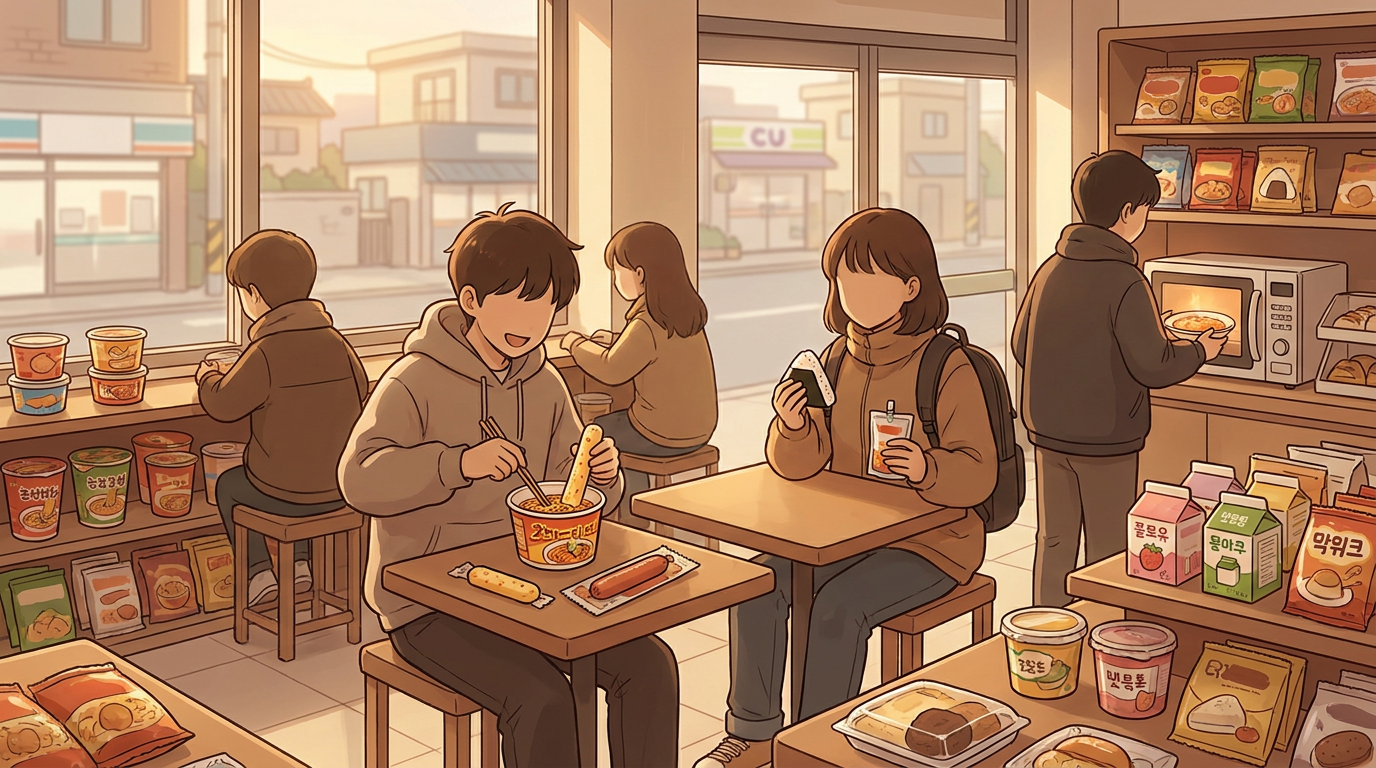
Hey Energizers! BEBE here, and you know I love a good food hack. Lately, I’ve been seeing everyone on SNS going wild over what they call ‘convenience store honey combos’ — basically, mixing up instant finds from any 7-Eleven, GS25, or CU to create your own custom meal. And honestly? It’s genius. Think of it as a playground for your taste buds, no full kitchen required. Just a microwave or hot water, and you’re set. So I dug into the latest trends to bring you a roundup of the best combos — from solo lunch to late-night munchies and even dessert. Let’s dive in. First up: RAMEN UPGRADE. Grab a pack of instant ramyeon and a samgak kimbap (triangle kimbap). Cook the noodles, then toss the kimbap in the hot broth — it’s like magical ramen porridge. Next, CHICKEN RICE BOWL — just heat up some convenience store fried chicken with a bowl of rice (like Hatbahn) and a squeeze of mayo. Boom, instant chicken rice bowl. For pizza lovers: grab a store-bought pizza, add extra cheese and hot sauce, then microwave. The cheese gets all melty and the sauce kicks up the flavor. If you’re craving kimchi fried rice, mix a frozen kimchi bokkeumbap (kimchi fried rice) with a can of tuna. The tuna adds umami punch. Feeling like army stew? Throw a cup noodle, some sausage, and a slice of cheese together — it tastes like budae jjigae (army stew) in minutes. Toast lovers: take a store sandwich and add a soft-boiled egg. It’s a hearty upgrade. And for beef soup fans, pour a bowl of yukgaejang (spicy beef soup) instant noodles over a bowl of rice — instant gukbap (soup rice). Mac and cheese getting boring? Toss in some bacon bits before microwaving. Dessert time: crush a cone ice cream into a cup of banana milk and stir — it’s like a homemade banana shake. And for a cafe-style latte, just mix an iced Americano with a small carton of milk. Simple but hits the spot. The best part? All these combos work at any major chain, and they’re budget-friendly — especially if you catch a 1+1 deal. So next time you’re at the convenience store, skip the usual single snack and try mixing it up. You might just discover your own signature combo. What's your go-to convenience store combo? Have you tried any of these hacks, or do you have a secret mix of your own? Drop your recipes below — I’m always looking for new ideas! ——— 🔗 Sources 1) Tistory · andorphine https://andorphine.tistory.com/1069 2) Tistory · xoals3315 https://xoals3315.tistory.com/21
National Museum of Modern and Contemporary Art Collaborates with Tokyo Cultural Heritage Institute
The National Museum of Modern and Contemporary Art (MMCA) in South Korea has partnered with the Tokyo Cultural Heritage Research Institute to conduct a joint research project. The initiative aims to uncover and document Korean modern and contemporary art materials that remain in Japan. This collaboration seeks to deepen the understanding of the historical and cultural exchanges between the two countries, focusing on the preservation and study of art from the modern and contemporary periods. 💬 What aspect of Korean and Japanese art history interests you the most?